TINNOX Case Studies
The Design Was Clear - Then the Project Entered Tender
How a double-sided visitor-information concept was kept coherent while multiple project parties sought pricing and scope confirmation.
Visitor centre, WA | 2025 | Consultant-led visitor information
A visitor-information concept can be carefully resolved during design and still weaken before construction begins. Once a broader project enters tender, several builders and subcontractors may request pricing for the same end result. Small differences in assumptions accumulate: one price excludes installation, another changes the product, and a third interprets the documentation differently.
For WA Tourism, the visitor need was already defined - a stable, double-sided information point serving people moving in both directions. The next challenge was protecting that intent through a competitive and fragmented buying journey.


Commercial fragmentation can become a visitor-experience problem
If every bidder is treated as an unrelated enquiry, technical information and pricing can drift. The consultant may believe one scope is protected while tenderers are pricing different outcomes. By the time a contractor is selected, the kiosk may no longer fit the architecture, movement pattern or responsibilities assumed in the original design.
The risk was therefore not primarily environmental. It was loss of project memory: who the asset was for, why it was double-sided, what the common technical basis included and where installation responsibility began and ended.
How the response was shaped
TINNOX maintained the end project as the common technical record while managing each tender participant as a separate commercial relationship. Drawings, product information, scope boundaries and pricing logic were kept aligned to the original visitor outcome.
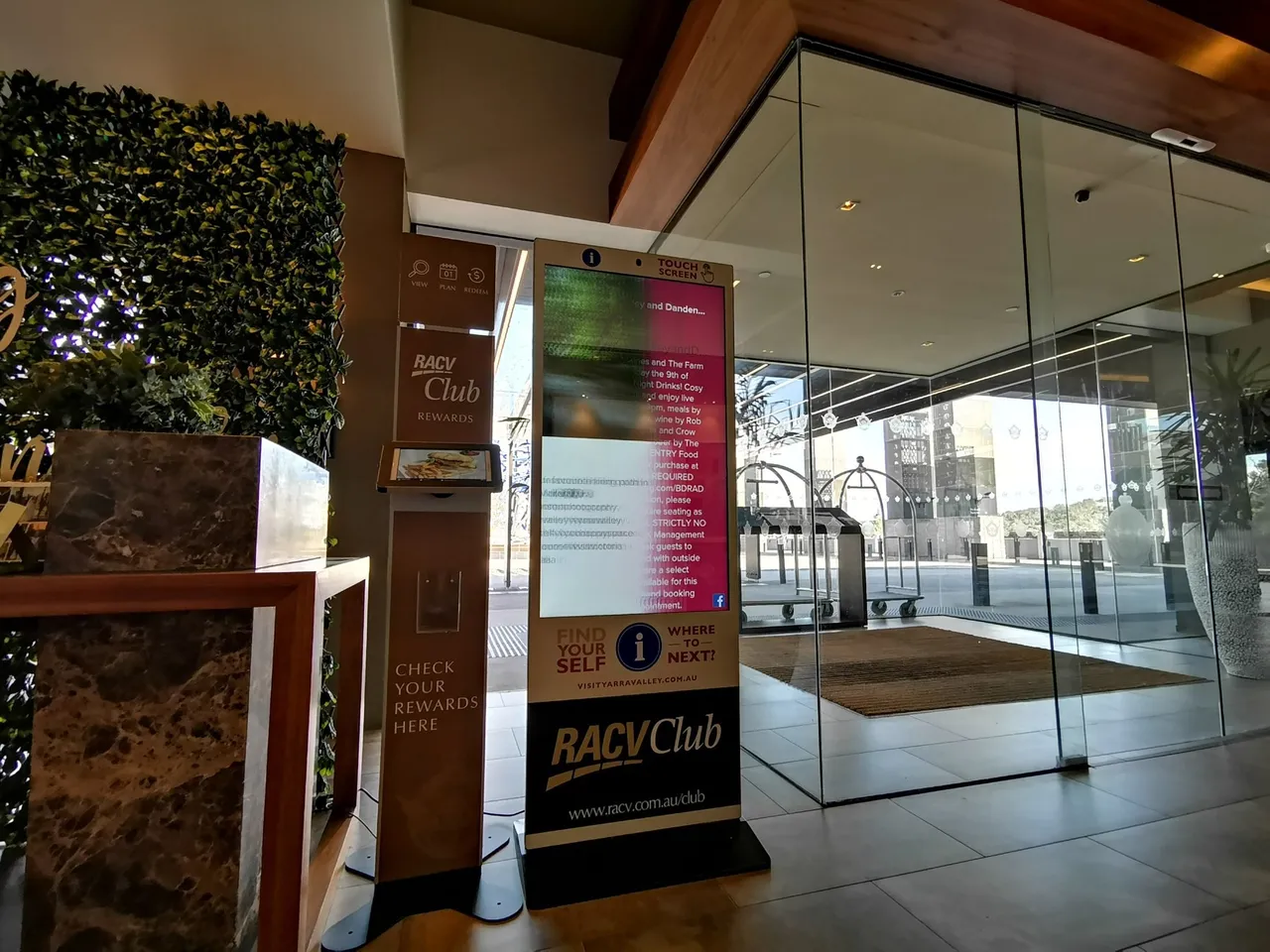
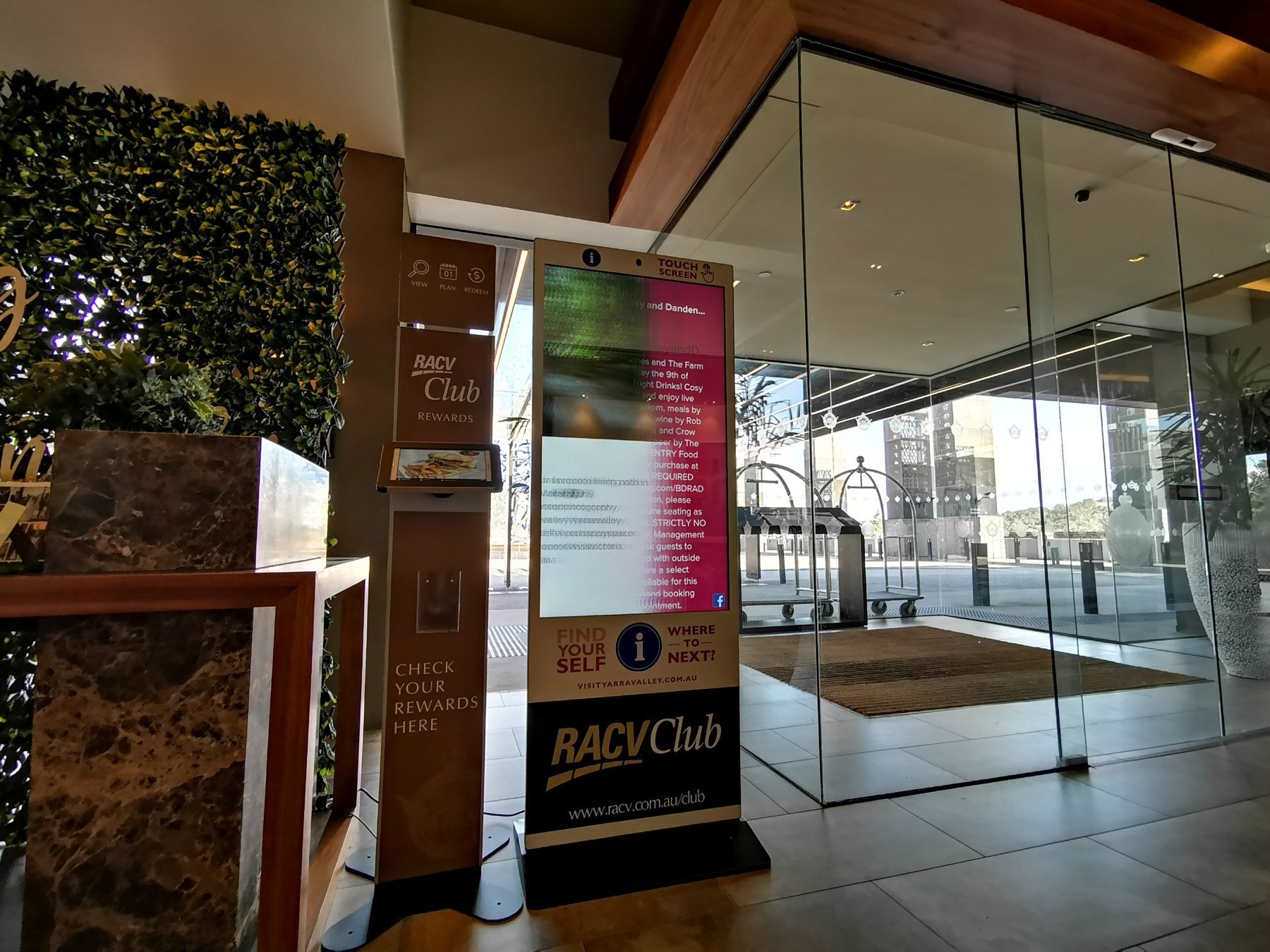
A 75-inch double-sided floor-standing kiosk supported visibility from both directions without duplicating structures. Its physical stability, content visibility and architectural fit remained part of the same design intent being carried through tender rather than becoming optional details at quotation stage.
What changed
The specified visitor-information format remained coherent as the project moved through competitive pricing. Consultants and legitimate bidders could work from a consistent technical basis, reducing the likelihood that the final procurement decision would compare superficially similar but operationally different scopes.
The additional value was confidence across the channel. Fast, consistent responses supported the tender process without allowing one bidder’s assumptions to rewrite the end project. For the visitor, that behind-the-scenes discipline protects something simple: an information point placed and configured for the way people actually move through the centre.
-
-
-