TINNOX Case Studies
In a High-Stakes Boardroom, the Weakest Seat Defines the Presentation
How five government meeting environments were designed around decision-making, international engagement and a consistent experience from every position in the room.
Melbourne, VIC | 2026 | Executive collaboration
A presentation can look impressive from the presenter’s position and remain difficult to read from the far end of the table. In a room used for ministerial briefings, international delegations and detailed commercial discussions, that is not a minor inconvenience. If participants cannot comfortably examine the same information, the room begins working against the conversation.
DJSIR and Global Victoria needed boardrooms suited to large-scale presentations and external engagement. The objective was not simply a larger image; it was a repeatable environment in which information could be shared clearly and the technology reinforced the confidence of the workplace.


Scale alone does not create clarity
Above conventional television sizes, compromises become visible. Multiple panels introduce bezels. Coarse LED can make text and data difficult at close range. Different room configurations create inconsistent controls and support demands. A technically impressive wall can still fail if the least favourable seat cannot read the content or if presenters need assistance to change sources.
For Global Victoria, which connects Victorian organisations with international markets and decision-makers, the rooms also contribute to first impressions. Visible cabling, inconsistent installations or unreliable presentation workflows would communicate the opposite of the capability being discussed.
How the response was shaped
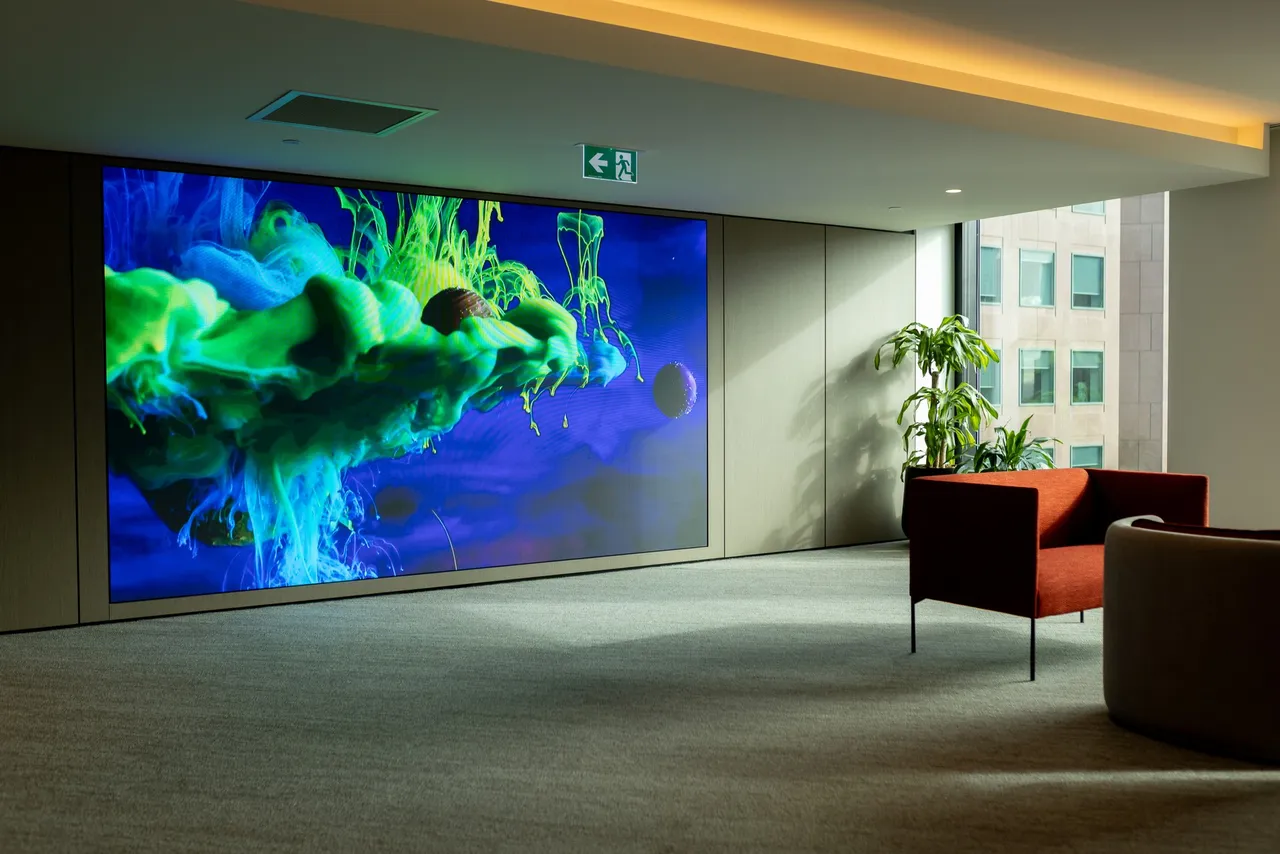
TINNOX designed each display around room dimensions, viewing distance, the 16:9 presentation format and wall-cavity integration. Fine-pitch PrecisionMicro P1.5 created a seamless large-format image above the practical television range while preserving clarity for boardroom-distance text, data and presentations.
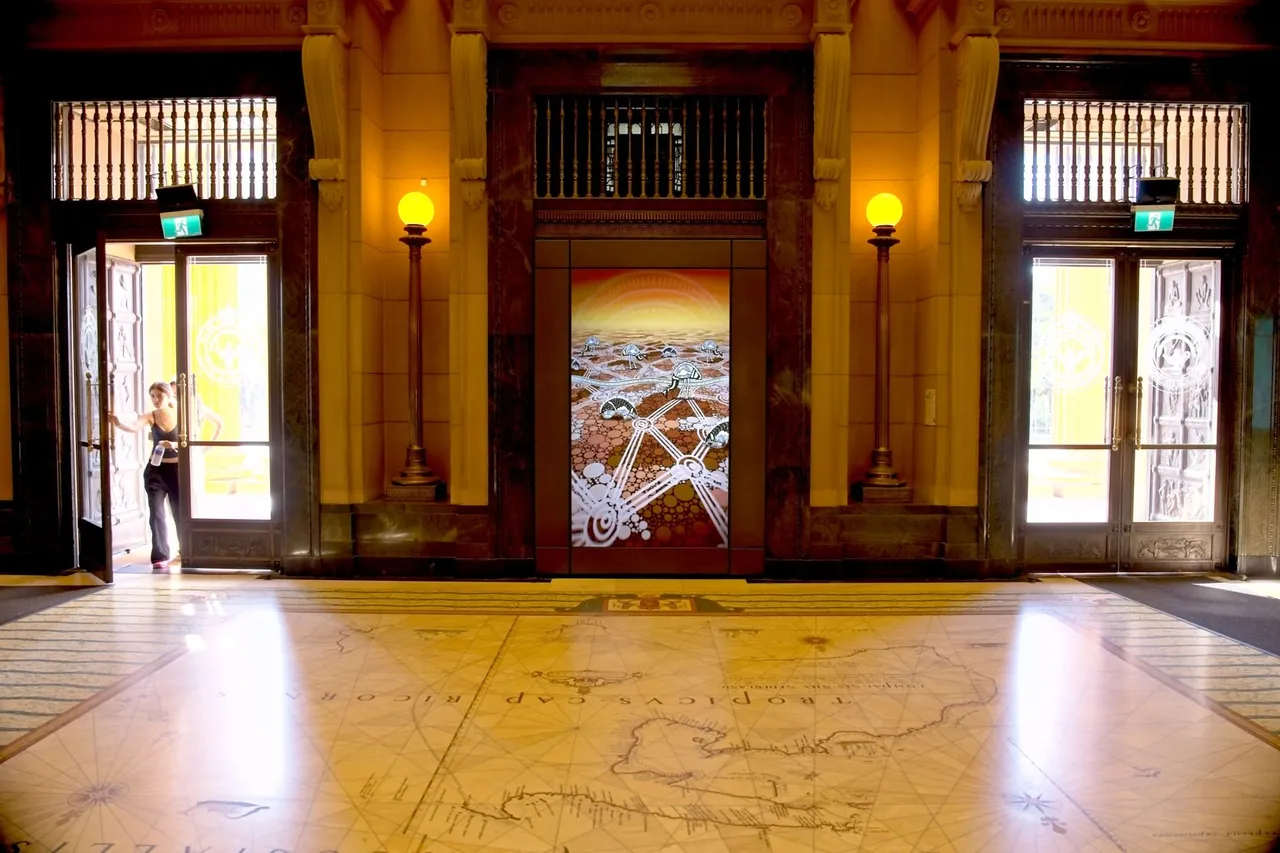
The microLED systems and architectural interfaces were coordinated across five recorded rooms or displays. Consistency of visual format, integration and commissioning was treated as a program requirement, supporting a familiar experience as users moved between rooms.
What changed
The workplace gained large-format collaboration environments designed for consequential communication rather than casual signage. Teams can review detailed material together, host external delegations and present at scale through a consistent visual standard.
The added outcome is institutional confidence. The rooms do not rely on a single ‘hero’ installation while leaving other meeting spaces behind. A repeatable approach helps the workplace present the same level of readiness across multiple settings - and allows the conversation, rather than the equipment, to remain the focus.