TINNOX Case Studies
One Corporate Brand, Three Offices - Without Copying the Same Screen Three Times
HMC Capital | Three Australian corporate locations | Multi-site reception experience
HMC Capital is an ASX-listed alternative asset manager working across real estate, private equity, energy, private credit and digital infrastructure. As its national footprint expanded, the reception environment became one of the few physical places where employees, investors, partners and prospective hires could encounter the organisation in the same way.
The instinct in a multi-office rollout is often to reproduce one successful design exactly. That creates visual consistency on paper, but buildings do not offer identical walls, sightlines, ceiling heights or arrival paths. A screen copied from one office may feel undersized in the next and overpower the third.


Consistency is not the same as identical dimensions
Three independent projects can drift in obvious ways: different aspect ratios, image quality, brightness, control methods and service arrangements. The company then has to create separate content versions and explain different operating procedures to each office.
Literal duplication creates the opposite problem. It treats the technology as the brand standard instead of defining the experience the standard is meant to protect. What HMC Capital needed to keep consistent was the quality of the arrival, the way corporate content was framed, the ease of operation and the confidence of the finished integration. Screen dimensions could respond to each building.
That distinction matters to growing enterprises. Office fit-outs are often delivered by different builders, consultants and local trades. Without one technical and visual baseline, small substitutions and site decisions can produce three acceptable installations that no longer feel like one program.
A repeatable system with site-specific geometry
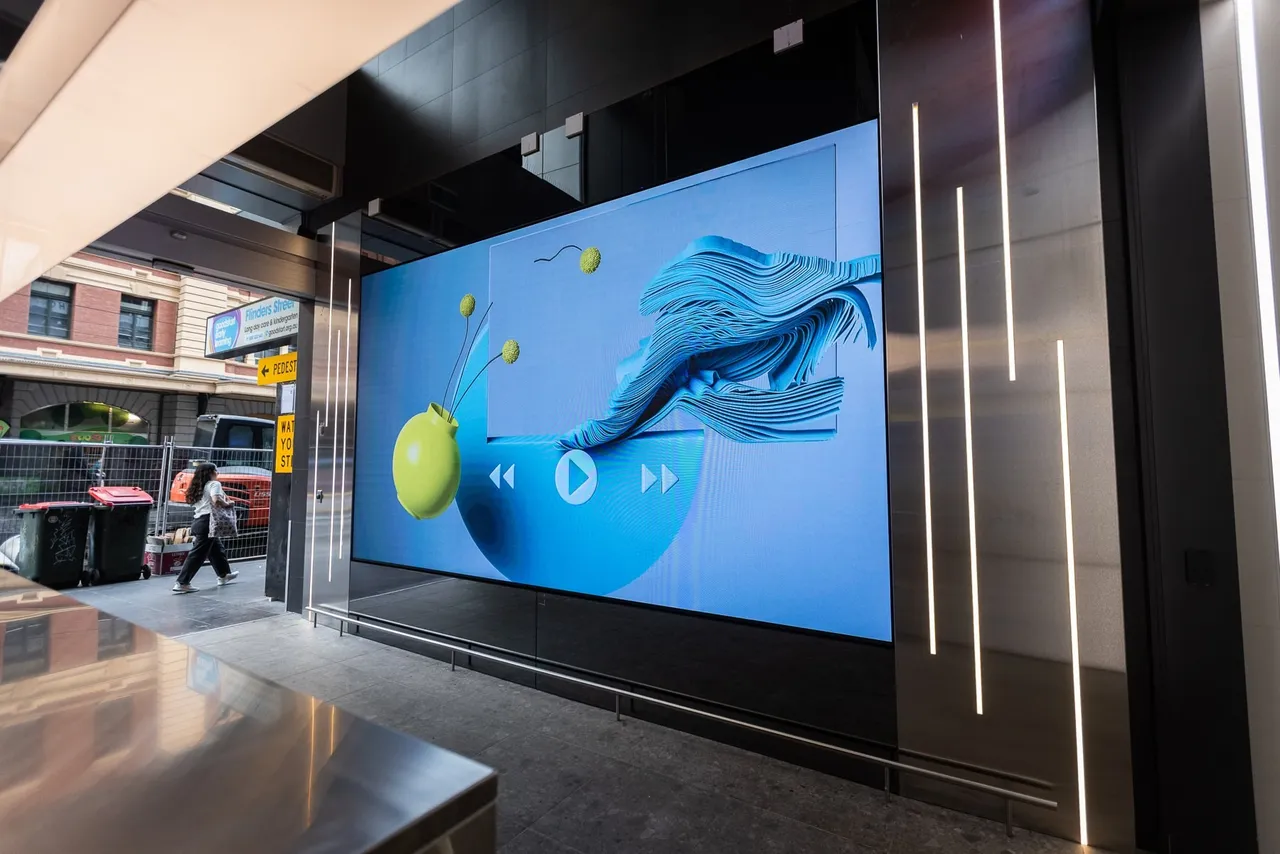
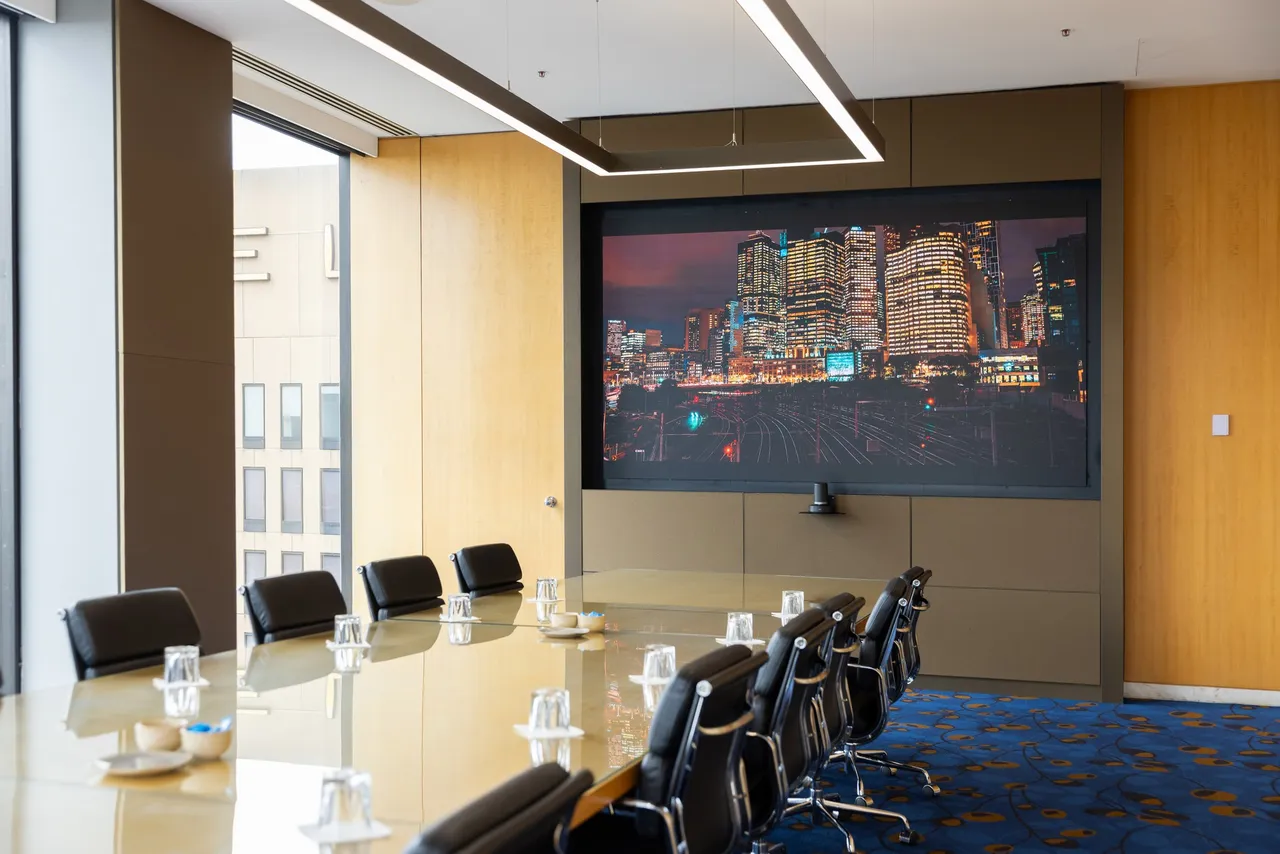
TINNOX established a common fine-pitch LED approach for the three reception environments. The displays shared a seamless visual language, close-view image standard, control logic and commissioning method. Within that framework, each screen could be configured to the available wall, normal viewing distance and relationship to the reception architecture.
The 16:9 presentation canvas was retained where appropriate so corporate video, presentations and brand content could be reused without extensive reformatting. Fine pixel density protected typography, market information and detailed imagery at reception distance. The practical benefit was content portability and consistent presentation, not a race to the smallest numerical pitch.
TINNOX coordinated the display and wall interfaces with the relevant project teams at each location. Dimensions, support, power, data, finish tolerances and service access were documented against one deployment logic, reducing the chance that local interpretation would change the long-term operating experience.


A national reception standard that can keep expanding
HMC Capital gained three corporate arrival environments that express one visual standard without pretending the buildings are the same. Employees and content owners can work with a familiar canvas. Visitors encounter a consistent level of finish and communication even when the physical form changes by city.
The secondary outcome is a stronger foundation for growth. A fourth office does not have to copy one set of dimensions or begin with an empty brief. It can inherit the established principles - image quality, content format, integration, control and serviceability - and configure them to the next building.
That is the difference between repeating a product and scaling an experience. One creates replicas. The other protects the brand while allowing the property to remain itself.