TINNOX Case Studies
A Landmark Library Should Never Feel Like a Screen Was Added Afterwards
How two large-format LED surfaces became part of the public interior rather than equipment competing with it.
Sydney, NSW | 2026 | Cultural and visitor communication
Inside a landmark library, visitors notice proportion, material, light and silence before they think about display technology. A conventional television mounted into that environment can make even valuable public content feel temporary - an object added after the architecture was complete.
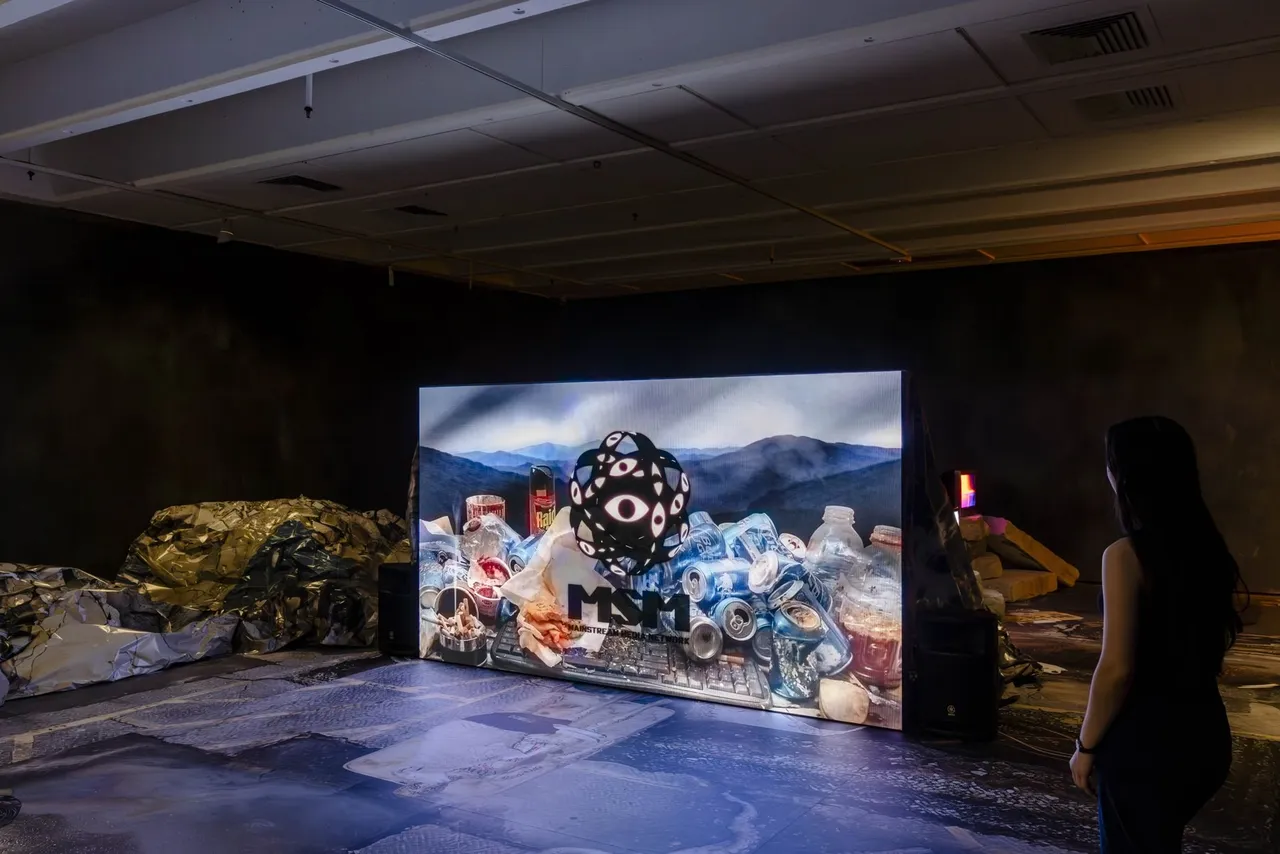
The State Library of New South Wales needed large digital surfaces for changing information and cultural content. The challenge was not simply achieving scale. The image had to remain refined at close viewing distance, the technology had to sit naturally within the building and the system needed to remain practical after the installation team left.


Close viewing exposes every compromise
Large public interiors create a difficult combination: visitors may see the whole canvas from across the room and then approach closely enough to notice seams, coarse pixels, reflections or uneven integration. A cluster of conventional panels would introduce bezels; an inadequately planned LED wall could create visible service panels, heat-management problems or a noisy technical presence.
There was also a content risk. A surface designed only for visual impact could dominate a place whose authority comes from collections, study and cultural experience. The display needed enough presence to communicate clearly and enough restraint to remain part of the library.
How the response was shaped
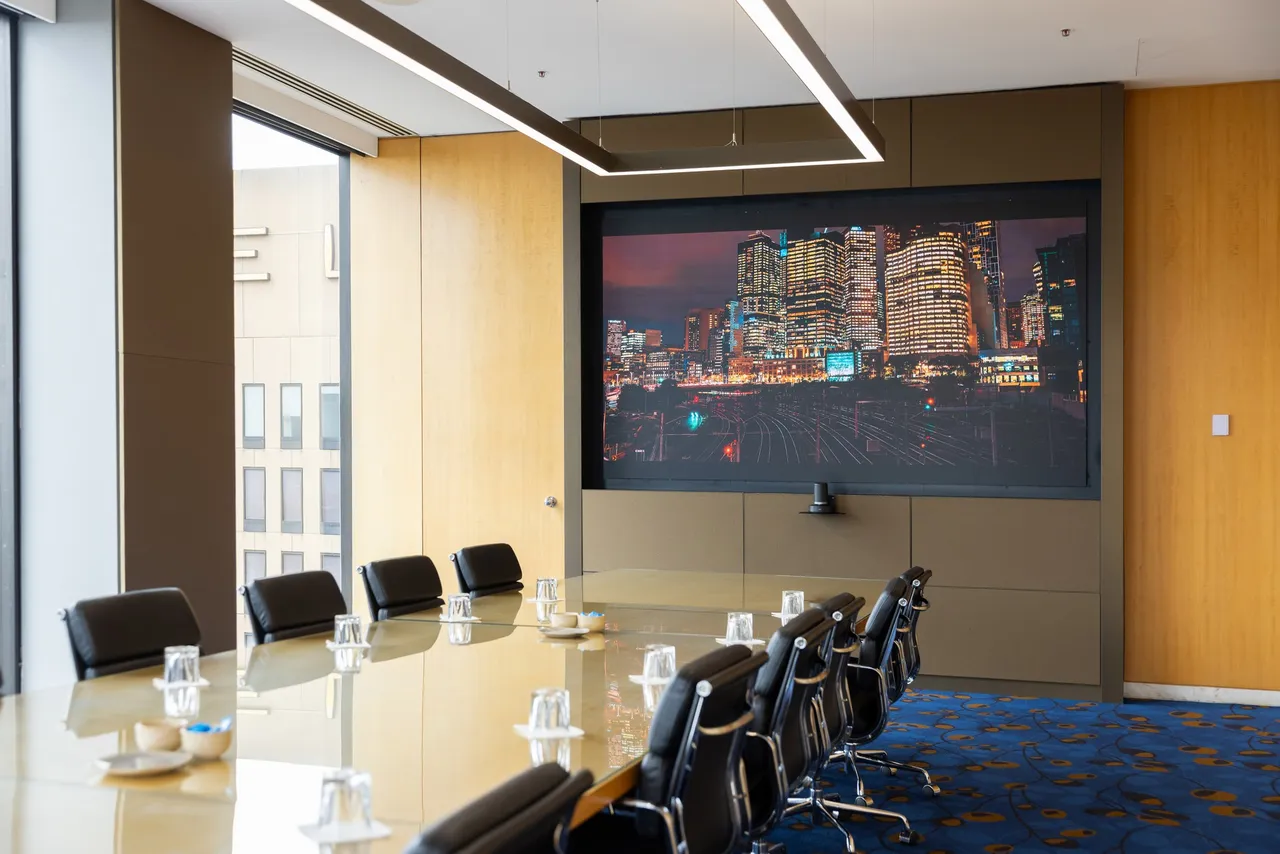
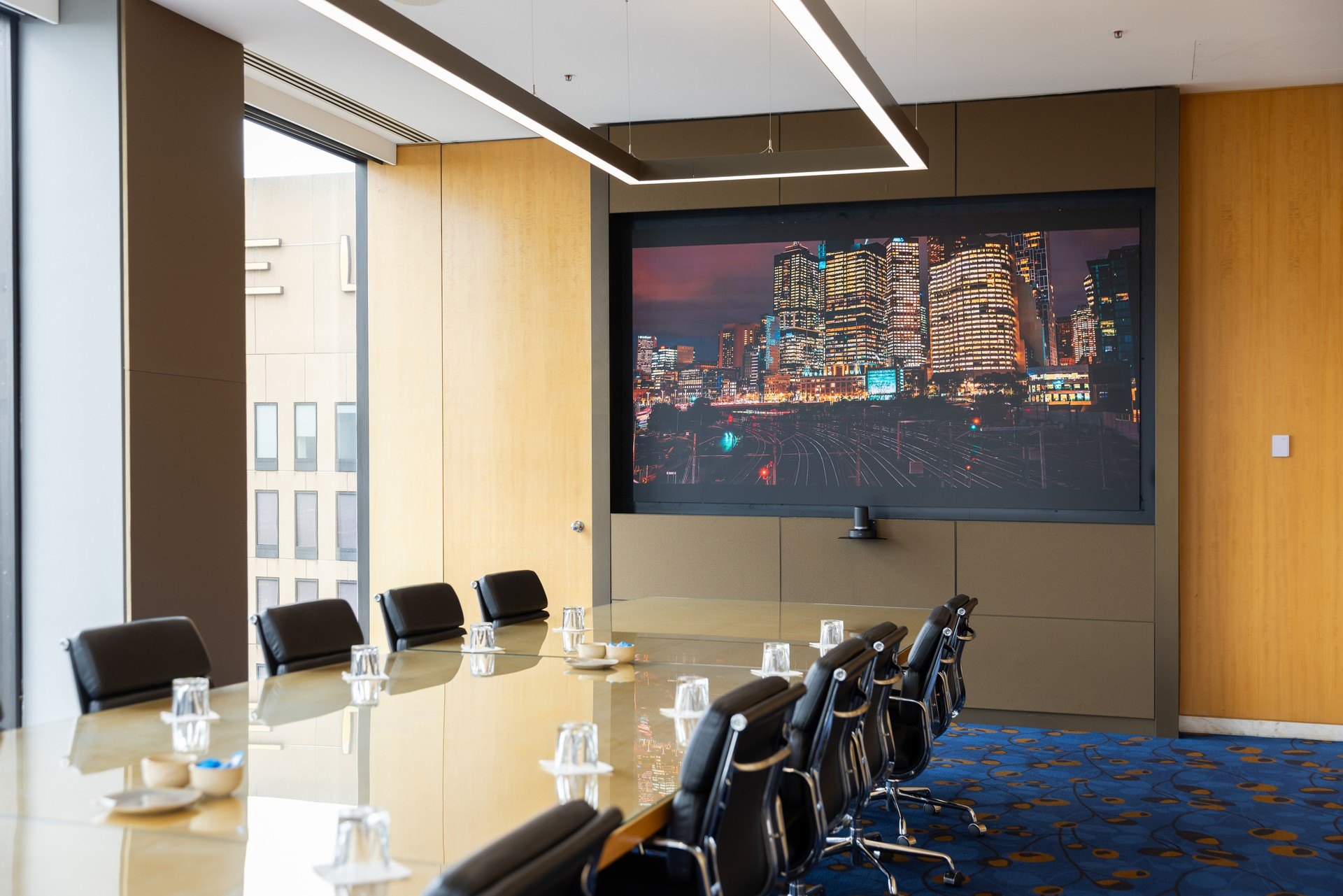
TINNOX developed two fine-pitch LED surfaces around viewing distance, wall-cavity dimensions, architectural finish and future access. PrecisionPro P1.56 provided the close-view clarity and seamless field required at the chosen scale, while cavity integration allowed the result to read as a deliberate part of the interior.
Display supply, structural interfaces, installation and commissioning were coordinated around the public environment. Heat, alignment and service access were resolved behind the finished plane so the operational requirements did not interrupt the visitor-facing result.


What changed
The library gained two large, flexible communication canvases capable of moving between practical visitor information, institutional storytelling and cultural programming. Content can change without rebuilding the interior or accepting the fixed proportions and seams of a multi-panel television arrangement.
The added outcome is architectural continuity. The technology can support the institution’s voice without becoming the subject of the room. Visitors experience the message at scale; the equipment responsible for it recedes into the environment.
-
-
-